The altar is the highest and most sacred form of worship in the Order of Adam. There, a father may approach God in prayer, make covenants with Him, and make an offering from his flock or the fruit of his ground, as God directs him.
Abel helps us see that altar worship began with Adam. He offered a lamb upon an altar to God, and God accepted his offering. He was taught by his father Adam. This was not something he just thought was a good idea. There was symbolism and meaning. Also he came with a pure heart developed over time in his love for God and his family.
That matters. Moses was born some 2,500 years after Abel, and yet there was already an order.
Adam was instructed to teach his children how to worship God, and altar worship was the most sacred part of that instruction.
It is recorded that Abel, Noah, Abraham, Isaac, and Jacob all worshiped at altars, and they were all fathers. The way they worshiped at the altar and the covenants God made with them were not exactly the same. However they were all accepted of God.
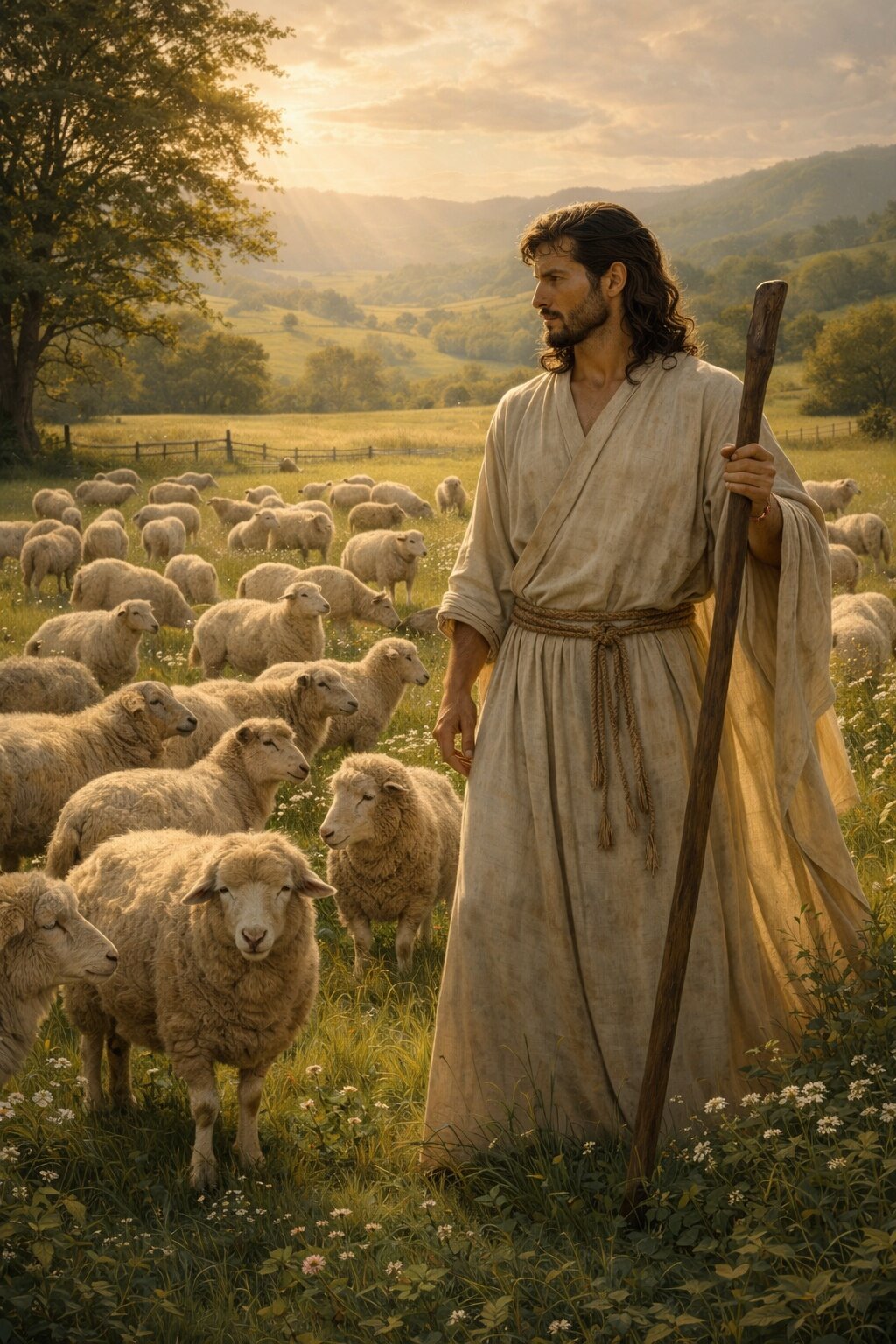
From Adam to Noah the fathers were taught to worship at altars. Abraham, a descendant of Noah through Shem, was born in Ur, a place of idols, temples, and kingly power. Yet he turned from idols, sought the true God, and was led into the older order handed down from Adam.
Abraham walked in that order and his offerings were accepted before God. Through his faithfulness God promised Abraham, a covenant relationship with Himself, as He had promised Noah, He also promised countless descendants, the land of Canaan, kingship through his lineage, divine protection, and that all nations would be blessed through his seed.
What a wonderful thing this is. Adam was instructed by God on how to worship, and told to teach his children so they might come to God through the Messiah. This order was passed down from Adam to Jacob whose name was changed to Israel by God.
Some of Adam's children received this teaching and held to it. Others chose a very different way. What those two ways looked like and how they shaped the world is the next part of the story.